Hello everyone!! I am based in Singapore and my intention of setting up this blog is to share pictures of my hobby craft. I'm trained under a very nice 60+ yrs old granny who got her training in Thailand and Hongkong. Her specialty is in making local food and snacks. If you have any constructive comments on how I can make my mini food better, do drop me an email at ng.anna@ymail.com! Enjoy!
Showing posts with label Chinese new year. Show all posts

Sunday, February 3, 2013

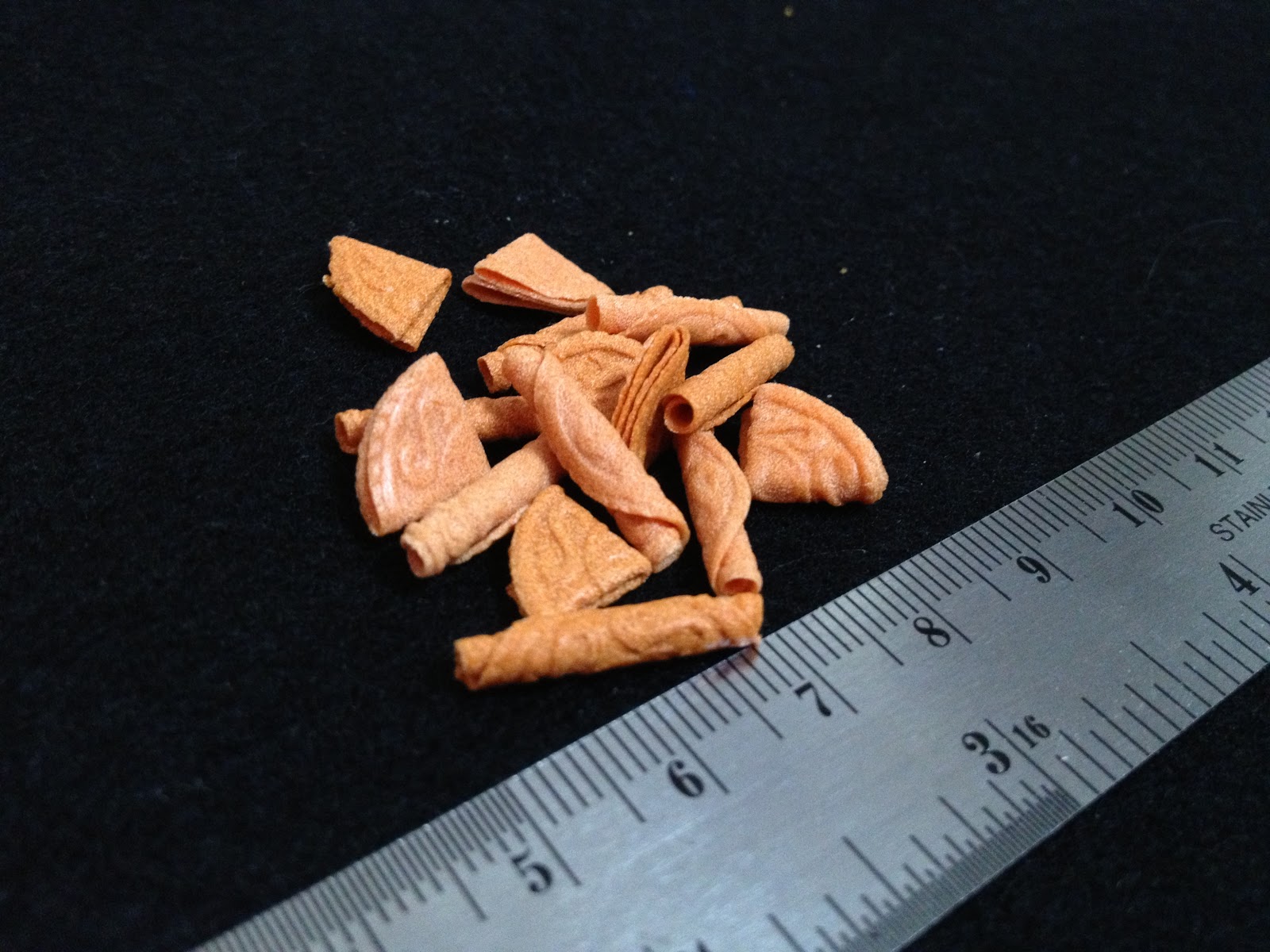
Love Letters

Love letters


Pineapple Tarts

Pineapple Tarts
 
Pineapple tarts refers to small, bite-size pastries filled with or topped with pineapple jam found in different parts of Asia. In South East Asia exists one form of Pineapple tart. A different form of pineapple tart, also known as Pineapple pastry or Pineapple cake is found in Taiwan.
 
The pastry consists of a large proportion of butter and egg yolk, besides using corn starch, giving it a rich, buttery, tender and melt-in-the-mouth texture. The pineapple jam is usually made by slowly reducing and caramelizing grated fresh pineapple that has been mixed with sugar and spices - usually cinnamon, star anise and cloves.
 
Typical shapes include a flat, open tart topped with pineapple jam under a lattice of pastry, rolls filled with jam that are open at the ends and jam-filled spheres.
 
Considered a "festive cookie", pineapple tarts are usually consumed during Hari Raya, Chinese New Year and Deepavali periods in Singapore and Malaysia. However, they are sold all year round by commercial bakeries and by souvenir stores serving tourists.
 
The Taiwanese version of Pineapple Tart is known as Fènglísū (鳳梨酥). The filling is fully enclosed within a rectangular tart. Generally the taste is sweet due to sugar added. However, some bakers add or even substitute pineapple with winter melon to make the jam less tart. (Source: http://en.wikipedia.org/wiki/Pineapple_tarts)

Saturday, January 12, 2013

Pencai

Pencai
Poon Choi (pronounced: pun4 coi3), also known as pun choi or Big Bowl Feast, is a traditional type of dish originating from Hong Kong village Cantonese cuisine. It may also be found in different parts of Hong Kong. It is served in wooden, porcelain or metal basins. (Source: http://en.wikipedia.org/wiki/Poon_Choi)

Sunday, January 6, 2013

Yusheng

Yusheng
Yusheng, yee sang or yuu sahng (Chinese: 鱼生; pinyin: yúshēng; Pe̍h-ōe-jī: hî-seⁿ or hû-siⁿ), or Prosperity Toss, also known as lo hei (Cantonese for 撈起 or 捞起) is a Teochew-style raw fish salad. It usually consists of strips of raw fish (most commonly salmon), mixed with shredded vegetables and a variety of sauces and condiments, among other ingredients. Yusheng literally means "raw fish" but since "fish (鱼)" is commonly conflated with its homophone "abundance (余)", Yúshēng (鱼生) is interpreted as a homophone for Yúshēng (余升) meaning an increase in abundance. Therefore, yusheng is considered a symbol of abundance, prosperity and vigor.
While versions of it are thought to have existed in China, the contemporary version is created and popularised[citation needed] in the 1960s amongst the ethnic Chinese community and its consumption has been associated with Chinese New Year festivities in Malaysia and Singapore. In Malaysia and Singapore, government, community and business leaders often take the lead in serving the dish as part of official functions during the festive period or in private celebrity dinners. (Source: http://en.wikipedia.org/wiki/Yusheng)